
5 Simple Ways to Be a Pollinator Hero This Earth Day with The Living Desert Zoo
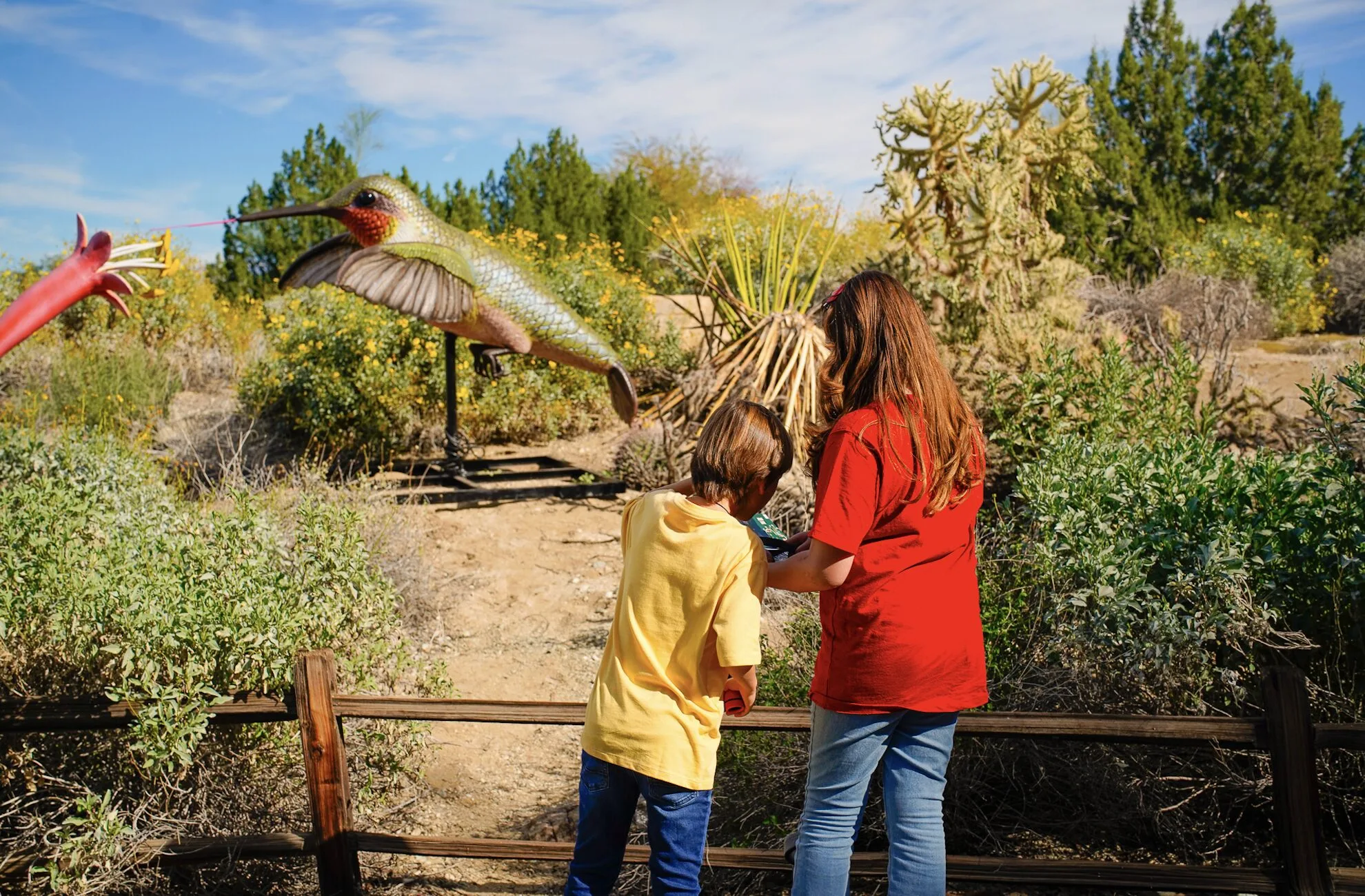
Photo: The Living Desert Zoo & Gardens
Each year, Earth Day is a time when we’re reminded to slow down, get outside, and reconnect with nature. It’s also an opportunity to think about our everyday choices, and how, when we work together, we can make a big difference for our environment.
Among the environment’s most important, yet often overlooked, contributors are pollinators. These tiny but mighty creatures are hard at work — and our world would look very different without them!
Not only are pollinators responsible for 1/3 of the food we eat, but all kinds of animals rely on pollinators to sustain the plants they eat and use for shelter. Pollinated plants are also important for helping clean the air, stabilize the soil, and provide important resources like oils, fibers, and seeds.
The team at The Living Desert Zoo and Gardens in Palm Springs knows a thing or two about the natural world — and this Earth Day, they’re sharing their favorite ways to support pollinators.
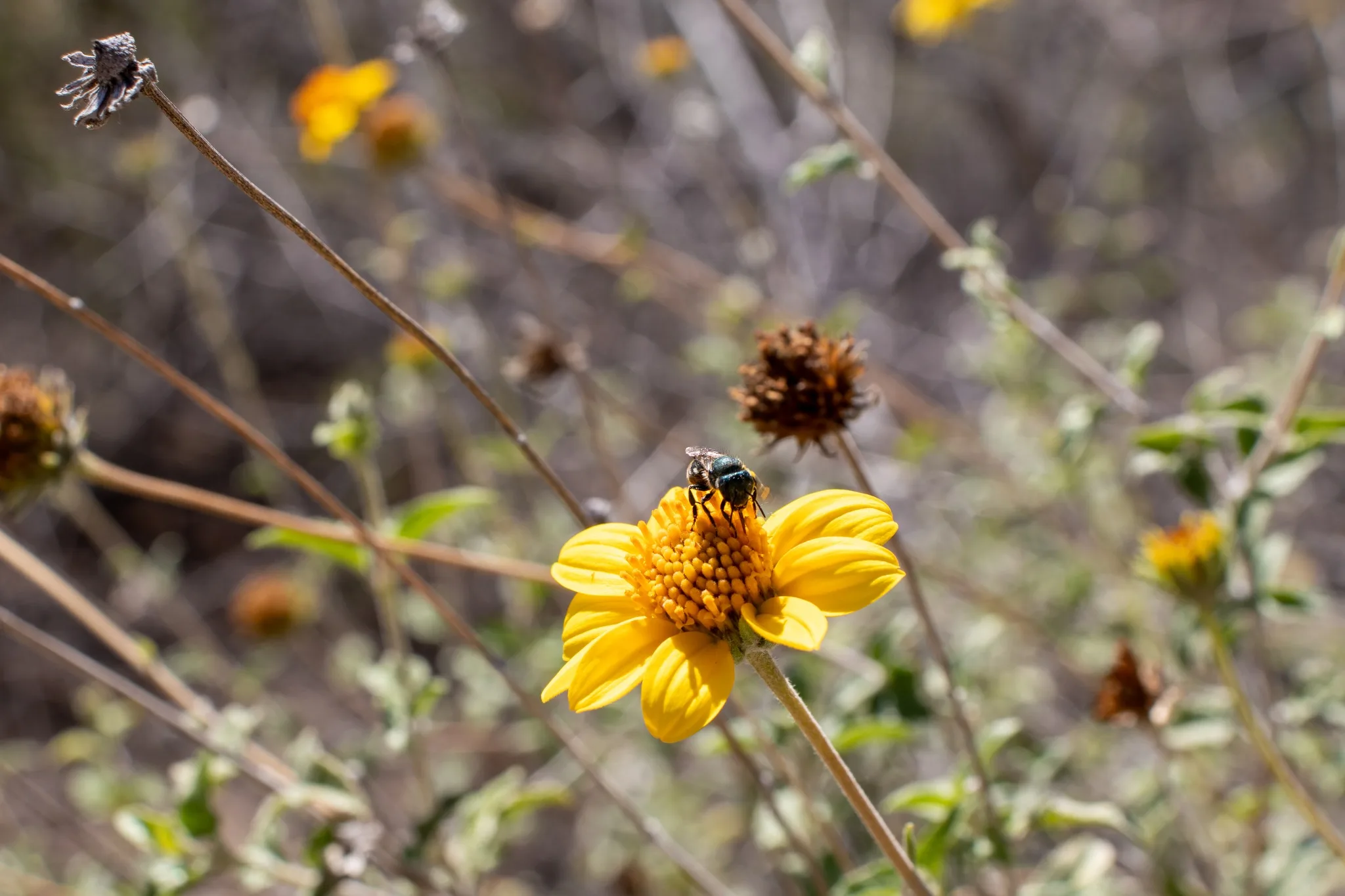
Photo: The Living Desert Zoo & Gardens
This Earth Day, spending time outdoors is more than just a celebration, it’s an opportunity to observe these systems in action and learn how you and your family can support your local pollinators:
- Add native, pollinator-friendly plants to your yard! Because local plants and wildlife have evolved together, native plants provide the nectar, pollen, and habitat that best support local species. Don’t have a large space? That’s okay! Even small patches of native plants, like Desert Milkweed, can make a big difference!
- Say no to neonic pesticides! Many common pesticides contain neonicotinoids that remain in soil and plants for months or even years, where they can harm pollinators like bees and butterflies. Instead of store-bought pesticides, try:
- Hand-removing pests
- Using insecticidal soap on aphids
- Encouraging beneficial insects like ladybugs or lacewings as natural pest control
- If you do buy pesticides, avoid those with neonicotinoids. Some common names you’ll find for neonicotinoids are imidacloprid, acetamiprid, thiamethoxam, clothianidin, and dinotefuran. In the state of California, look for seeds and plants labeled “neonic free.”
- Join the Western Monarch Milkweed Mapper Project! Help scientists learn more about monarch butterfly populations and migratory patterns by recording your sightings of monarch butterflies and milkweed plants. Click here to learn more.
- Go on a nature walk and see what pollinators you can spot! (Remember, not all pollinators are insects. Keep an eye out for hummingbirds, lizards, and even bats, if you are out at dusk.)
- Visit a supersized world of pollinators! Dive into the world of pollinators like never before at Mission: Pollination! at The Living Desert Zoo and Gardens, in Palm Desert. This interactive, family-friendly adventure runs through April 30, 2026. Guests of all ages can explore colorful gardens buzzing with bees, fluttering butterflies, and vibrant blooms. You’ll discover dozens of supersized pollinators and learn about their amazing superpowers. Junior explorers can also enjoy an interactive maze and a park-wide game to collect special pollinator trading cards. Click here to learn more.
This Earth Day, remember that even the smallest actions can have a lasting impact. By supporting pollinators, you help protect the plants, animals, and ecosystems that make our world thrive.

Photo: The Living Desert Zoo & Gardens
Author:
Jenny Lynn Robinson is the Senior Communications & Marketing Manager at The Living Desert Zoo and Gardens. She harnesses the power of storytelling to support the Zoo’s mission of desert conservation through preservation, education and appreciation.
Categories: Blog
This post was written by Alina Na
